Denver colorado ceramic artist annie chrietzberg is the polar opposite of me in the glaze room.
Glaze fire ceramics definition.
It may or may not be glazed.
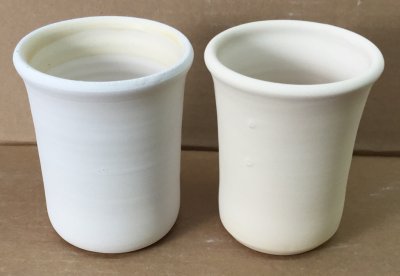
The goal of bisque firing is to convert greenware to a durable semi vitrified porous stage where it can be safely handled during the glazing and decorating process.
Glazes can be applied with a brush or the entire piece can be carefully dipped into a glaze bath.
Glaze definition to furnish or fill with glass.
Glaze can serve to color decorate or waterproof an item.
To glaze a window.
For earthenware such as fired clay pottery to hold liquid it needs a glaze.
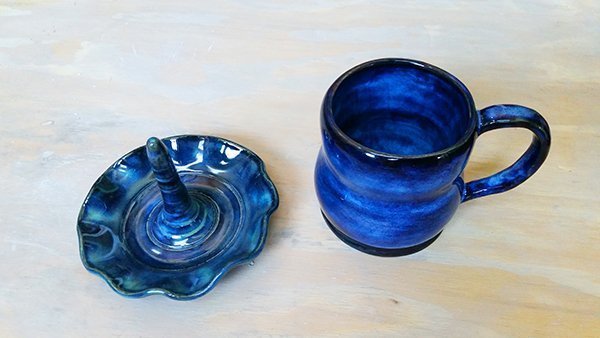
Potters apply a layer of glaze to the bisqueware leave it to dry then load it in the kiln for its final step glaze firing.
Low fire glaze colors can appear rather harsh and raw looking.
Explore and expand your horizons with low fire glazes from blick.
The clay body may remain overly porous.
Glazing renders earthenware vessels suitable for holding liquids sealing the inherent porosity of unglazed biscuit earthenware.
A modern technical definition is a vitreous or semi vitreous ceramic made primarily from stoneware clay or non refractory fire clay.
Historically across the world it has been developed after.
Glazes often require multiple coats and a lot of patience to get them just right.
Whether vitrified or not it is nonporous does not soak up liquids.
Ceramic work is typically fired twice.
The high percentage of flux or stronger acting fluxes used can result in a softer less durable glaze and.
Many of the traditional glaze materials used in this range are quite toxic in their raw state.
Stoneware is a rather broad term for pottery or other ceramics fired at a relatively high temperature.
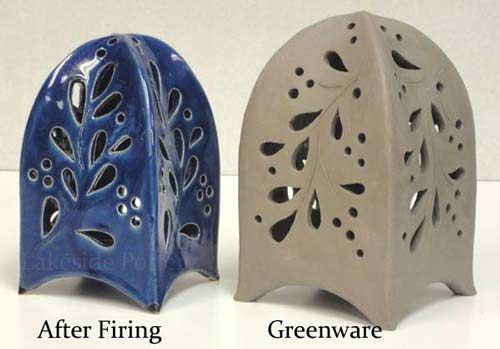
When that time comes and the piece is dry you re ready for the glaze firing where the pottery is heated to maturity.
Intended primarily for sculpture and decorative pieces glazes created by amaco mayco duncan and others for low fire environments can be used with terra cotta earthenware and select stoneware clays to produce brilliant colors and stunning effects.
Glaze is also used on stoneware and porcelain.
Firing converts ceramic work from weak clay into a strong durable crystalline glasslike form.
I know my glazing outcomes could be greatly improved if i followed just a couple of annie s pottery glazing tips.
Firing clay from mud to ceramic.
It also gives a tougher surface.
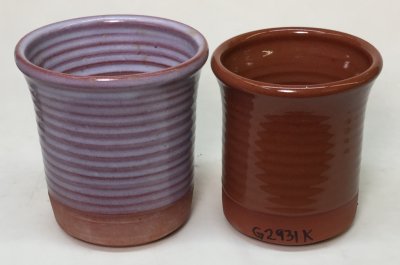
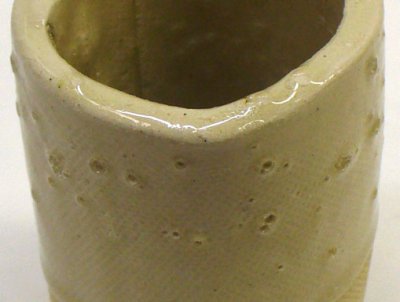
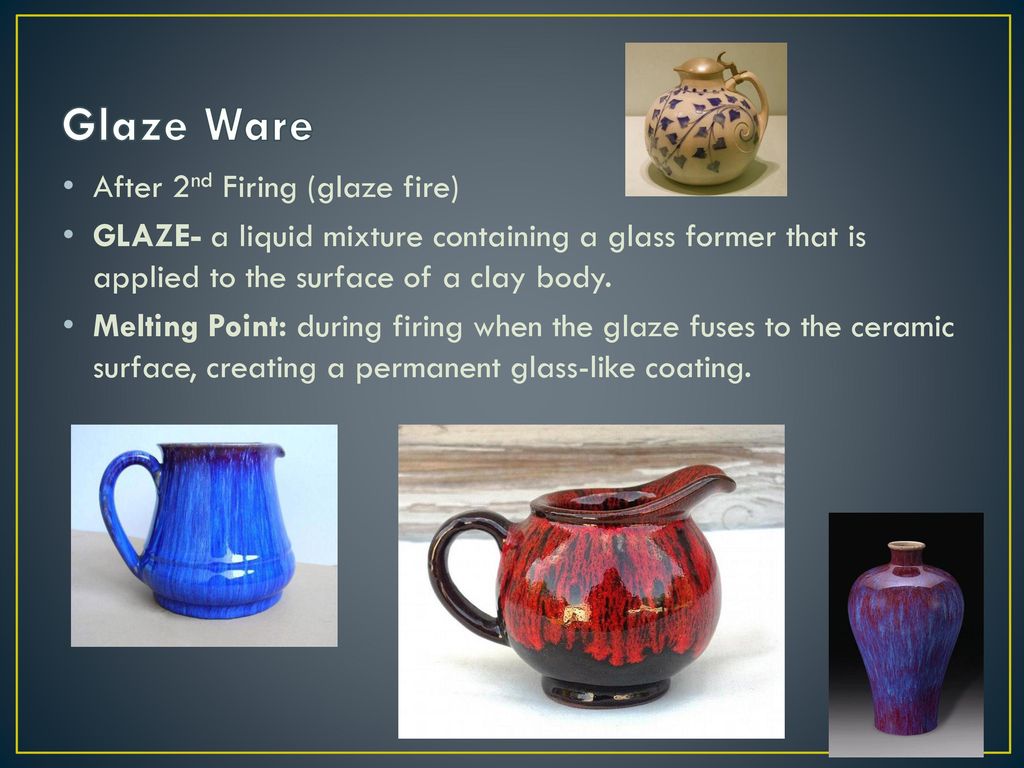
Ceramic glaze is an impervious layer or coating of a vitreous substance which has been fused to a ceramic body through firing.
Jennifer poellot harnetty editor.
Ceramic glaze is an impervious layer or coating applied to bisqueware to color decorate or waterproof an item.
Hopefully you will benefit from annie s advice too.