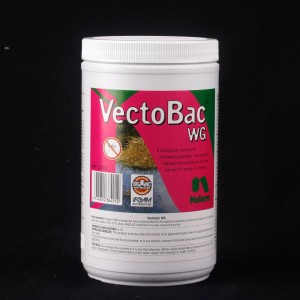
To kill fungus gnats you need to use bacillus variance israelensis bti also called h 14 strain.
Fungus gnats control nz.
Fungus gnats do best in damp soils.
Fungus gnats do best in damp soils.
About fungus gnats.
Sundews are sticky carnivorous plants that can also keep fungus gnat numbers to a minimum.
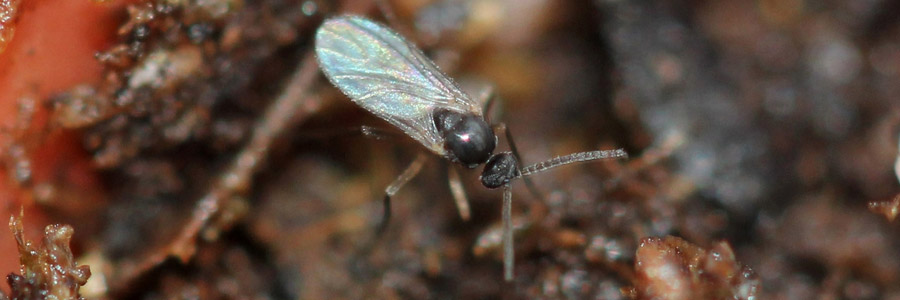
They can be identified by their narrow legs light gray or clear wings and segmented antennae that are larger than their heads.
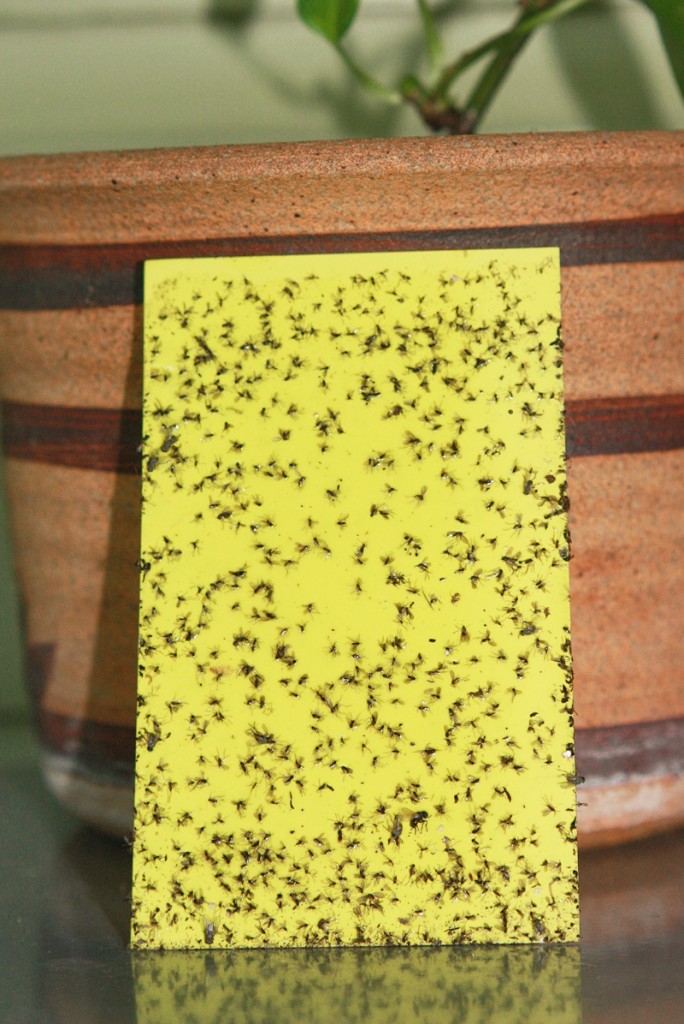
Like many other greenhouse pest insects fungus gnats and shore flies are readily captured on yellow sticky traps.
One particular form of bacteria will destroy fungus gnat larvae.
The adult flies are grey to black and 2 3 mm.
Turn up soil carefully near the base of the plant and look for the glossy clear larvae.
The adults grow to about 1 16 to 1 8 inch long.
Fungus gnats feed on decaying plant matter and fungi and thrive in moist conditions such as soil which is where they lay their eggs says derek gaughan founder of the diy pest control.
Fungus gnats sciaridae spp are the most common houseplant pest and are distinguished from fruit flies drosophila spp because of their darker color.
Although they look a lot like tiny mosquitoes fungus gnats are small flies in the orfelia and bradysia species.
Oil sprays can harm palms and ferns spray deem around the roots instead.
The fungus gnat larvae are very tiny 3 4 mm maggots.
Natural pest fungus gnat control with hypoaspis miles.
Environmental fungus gnat control.
Be careful not to over water especially during winter months when plants require less water.
If there s fungus gnat larvae in the soil spray the soil directly to thoroughly moisten the top then avoid watering until the soil has dried to at least a 2 depth.
They are often seen flying around plants in damp soil in gardens and indoor pot plants.
Fungus gnats and fruit flies are different.
These are fairly tiny insects.
Once fungus gnats have started to damage plants it is usually too late to effectively protect them.
While fruit flies hang out primarily near fruit rotten food and funky fridges you ll find fungus gnats in wet plant soil in sewer areas and in household drains.
When you apply a bti soil drench to your plants it saturates the soil harmlessly coating the roots of the plant while providing a toxic snack for the fungus gnat larvae.
When potting avoid organic material that holds water such as algae which may encourage egg laying.
A combination of control techniques is required for successful management.
Be careful not to overwater especially during winter months when plants use less.